
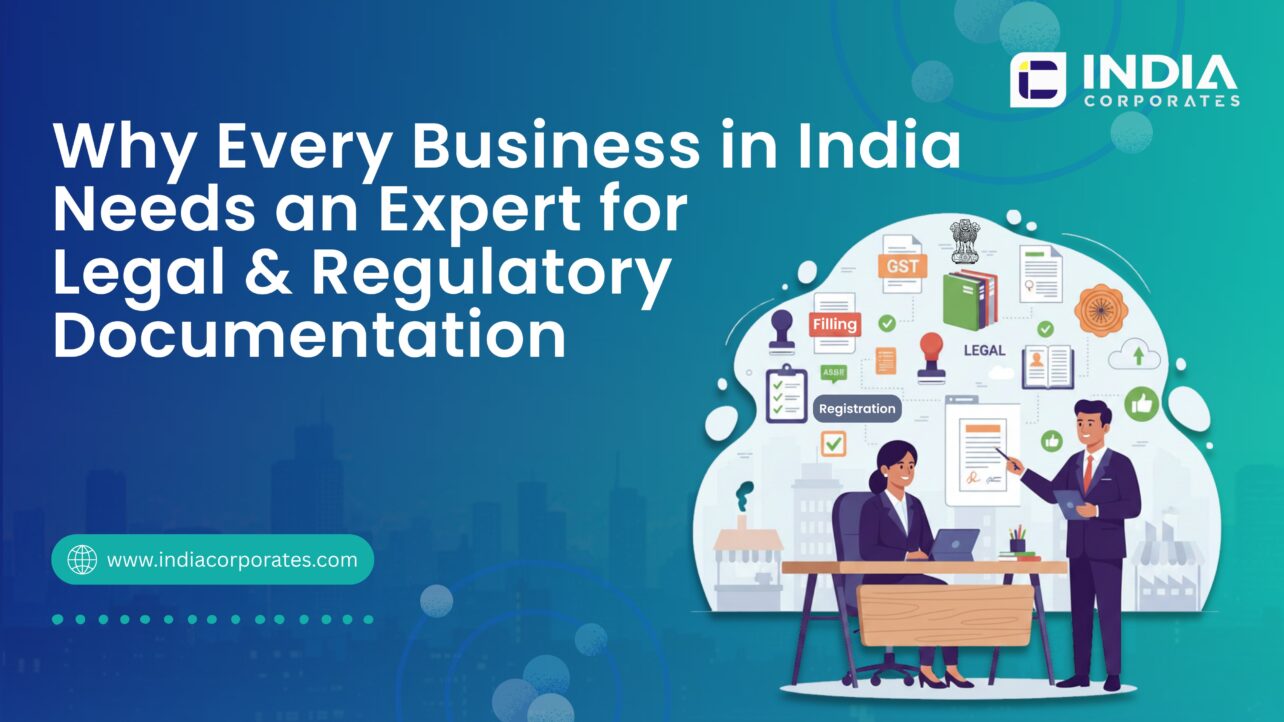
Introduction to Legal & Regulatory Documentation in India
Every business in India operates within a legal and regulatory framework defined by government laws and authorities. These laws make sure that businesses operate ethically, pay the required taxes, protect stakeholders, and follow standard operating rules. Whether it is a startup, MSME, or established company, proper legal documentation is essential from day one.
India follows a structured system where law-making powers are divided between the Central Government and State Governments. Some laws apply uniformly across the country, while others are applicable only within specific states. Because of this, businesses must understand which laws apply to them based on their nature, location, and operations.
“Legal and regulatory documentation is the backbone that keeps a business compliant, credible, and protected.”
How Laws Are Structured in India
The legal system in India follows a clear hierarchy that guides how rules are created and implemented:h
- Acts passed by Parliament or State Legislatures
- Rules and Regulations that explain how the Act should be followed
- Notifications and Circulars issued to clarify or update compliance requirements
- Guidelines and Press Releases to communicate regulatory changes
This structure makes sure that laws are implemented consistently across industries and regions.
Types of Law-Making Authority
Businesses are governed by laws falling under different jurisdictions:
- Central Laws – Applicable throughout India (e.g., Income Tax laws)
- State Laws – Applicable within a particular state
- Concurrent Laws – Where both central and state governments can make rules (e.g., stamp duty)
Understanding this division is important to avoid compliance gaps.
Key Types of Legal & Regulatory Documentation
Every business is required to maintain different kinds of documents, such as:
- Constitutional Documents – Memorandum and Articles of Association defining business structure
- Registrations & Statutory Filings – Including GST registration, licenses, and approvals
- Contracts & Agreements – Employment contracts, service agreements, NDAs, and lease deeds
- Regulatory Filings – Returns, disclosures, and compliance reports submitted to authorities
For example, incorrect filing or delays in statutory documentation can lead to penalties, notices, or operational restrictions.
Why This Matters for Businesses
Legal and regulatory documentation is not a one-time task. Laws change frequently, and compliance requirements evolve with business growth. This is why many organisations rely on professional business services to manage documentation accurately and stay aligned with current regulations.
A strong legal foundation helps businesses reduce risk, maintain credibility, and focus on growth without compliance worries.
“In India, legal compliance is not a choice for businesses; it is the foundation of long-term growth and trust.”
What Comes Under Legal & Regulatory Documentation
GST Registration
Before a business can legally collect tax or issue GST invoices, it must complete the required registration process under GST law. This step helps businesses stay compliant, claim input tax credit, and operate smoothly across India. With expert guidance, the process becomes simple and error-free, ensuring correct details are submitted, and future compliance issues related to GST registration are avoided.
GST Return Filing
Once registered, businesses are required to regularly report their sales, purchases, and tax liabilities to the government. This ongoing process helps maintain transparency and keeps businesses protected from penalties and notices. Timely GST return filing also includes submitting the GSTR-1 report, which captures outward supply details and supports accurate tax matching for buyers and sellers.
Udyam Registration
Small and growing businesses can benefit from official MSME recognition by completing the government registration process designed for them. This registration enables access to financial support, government schemes, and easier credit facilities. With proper assistance, Udyam registration is completed smoothly, allowing businesses to focus on growth while staying compliant with regulatory requirements.
DSC Registration
A Digital Signature Certificate (DSC) is essential for filing online statutory documents. Corporate experts manage DSC registration securely, ensuring authorised usage and protecting businesses from data misuse or invalid submissions. This makes sure that all digital filings are legally valid and compliant.
Company / LLP Compliance
Companies and LLPs must meet ongoing statutory requirements throughout the year. Experts manage routine compliance such as annual filings, disclosures, and documentation updates. This allows businesses to remain compliant without the stress of tracking deadlines or changing legal obligations.
Other Statutory Filings
Beyond GST and corporate compliance, businesses are required to complete various mandatory filings depending on their industry and structure. Professional guidance ensures these filings are accurate, up to date, and aligned with regulatory changes, reducing both legal and operational risks.
“Expert handling of legal documentation helps businesses stay compliant today and prepared for tomorrow.”
Importance of Compliance for Businesses
Compliance is not just a legal requirement; it is a key factor in building a stable and trustworthy business. In India, businesses must follow various laws, regulations, and filing requirements to operate smoothly and avoid legal complications. Proper compliance makes sure that a business stays protected, credible, and growth-ready.
Why Compliance Matters
Following legal and regulatory rules helps businesses:
- Avoid penalties, fines, and legal notices from authorities
- Maintain a good reputation with customers, partners, and investors
- Make sure smooth operations without sudden legal interruptions
- Build long-term trust with government bodies and stakeholders
Even small compliance gaps, such as delayed filings or incorrect documentation, can lead to financial losses and operational stress.
Compliance as a Business Safeguard
Regulatory compliance acts as a safety net for businesses. It helps prevent disputes, reduces the risk of audits, and ensures that business activities remain within the legal framework. Regular and accurate filings also make it easier for businesses to access funding, partnerships, and expansion opportunities.
“Strong compliance protects a business from risks while creating a foundation for sustainable growth.”
Impact of Non-Compliance
Failure to comply with legal requirements can result in:
- Heavy penalties and late fees
- Suspension of licenses or registrations
- Legal disputes and reputational damage
- Increased scrutiny from regulatory authorities
For example, missing statutory deadlines or incorrect disclosures may trigger notices that require time, money, and effort to resolve.
Staying Compliant with Expert Support
As laws and regulations develop, keeping track of compliance can become challenging. Professional guidance helps businesses stay updated, meet deadlines, and manage documentation accurately, allowing owners to focus on growth rather than compliance issues.
Role of Corporate Experts in Business Documentation
- Corporate experts help businesses manage legal and regulatory documentation correctly and in line with Indian laws.
- They understand government procedures, compliance timelines, and filing requirements, helping businesses avoid common errors and delays.
- These professionals handle key documentation such as GST filings, DSC registration, company or LLP compliance, and other statutory obligations.
- Experienced GST experts ensure registrations, returns, and filings are accurate and submitted on time.
- Proper handling of documentation reduces the risk of penalties, notices, and legal issues.
- By managing complex compliance tasks, corporate experts allow business owners to focus on daily operations and business growth.
- Their support saves valuable time, reduces legal risks, and minimizes stress caused by frequent regulatory changes.
- In today’s evolving regulatory environment, expert guidance is essential for maintaining compliance and long-term business stability.
Benefits of Professional Support
Professional support plays a vital role in helping Indian businesses manage legal and regulatory responsibilities with confidence. With multiple laws, frequent updates, and strict deadlines, handling compliance internally can become time-consuming and risky. This is where experienced corporate professionals and platforms like India Corporates add real value.
Professional teams bring clarity to complex procedures by guiding businesses through registrations, filings, and ongoing compliance requirements. From documentation accuracy to deadline management, expert support reduces the chances of errors that can lead to penalties or notices. Trusted GST experts ensure that tax-related processes are handled correctly while keeping businesses aligned with current regulations.
Another key benefit is reliability. Professional service providers follow structured processes, maintain proper records, and offer consistent support throughout the business lifecycle. This level of assistance gives businesses peace of mind and helps them operate smoothly in a regulated environment.
How Expert Support Saves Time, Cost & Business Efforts
Expert support directly helps businesses save valuable time by taking over compliance-related responsibilities. Tasks such as GST filings, statutory registrations, renewals, and documentation require regular follow-ups and careful attention. When professionals manage these tasks, business owners can focus on operations, customers, and growth strategies.
Cost savings are another important advantage. Errors, missed deadlines, or incorrect filings often result in penalties and legal expenses. With experienced GST experts handling compliance, businesses reduce the risk of financial losses caused by avoidable mistakes. Professional business services GST also help optimise processes, ensuring filings are done right the first time.
In terms of effort, expert support removes the stress of tracking regulatory changes and managing multiple compliance requirements. Professionals stay updated with law amendments and procedural updates, ensuring businesses remain compliant without constant monitoring. This structured support improves efficiency, reduces workload, and enables businesses to grow without compliance-related disruptions.
The Role of Corporate Experts in Long-Term Business Growth
- Ensure all legal and compliance documents are updated and properly maintained
- Help businesses stay ready for audits, inspections, and regulatory reviews
- Reduce risks caused by missed filings or incomplete documentation
- Keep businesses informed about regulatory changes and compliance requirements
- Create a clear and structured compliance roadmap for long-term planning
Conclusion: Importance of Expert Guidance for Smooth Compliance
Legal and regulatory compliance is an ongoing responsibility for every business in India. With changing laws, strict timelines, and multiple documentation requirements related to GST and other statutory regulations, managing compliance without expert support can become complex and risky. Even small mistakes or delays in filings can result in penalties, notices, or operational challenges.
Professional GST experts and compliance specialists help businesses stay aligned with legal requirements by managing registrations, returns, and documentation accurately. Through reliable business services and end-to-end corporate services, experts make sure that filings are completed on time and records are properly maintained, reducing compliance gaps and legal stress.
Expert guidance allows business owners to focus on operations and growth while professionals handle regulatory responsibilities. In today’s regulated business environment, partnering with trusted experts transforms compliance into a smooth, structured process and supports long-term business stability and sustainable growth.

1 comment
Great insights! Expert legal and regulatory documentation forms the foundation of a compliant and well-managed business. Having the right guidance not only reduces risks but also boosts confidence for sustainable growth. Thanks for sharing this valuable information!