
As of June 2026, India had more than 2.3 lakh (230,000+) DPIIT-recognized startups. The government reported 55,200+ startups recognized during FY 2025–26, the highest number in a single year since Startup India began. By 31 March 2026, the cumulative total had crossed 2.23 lakh, with more than 23.36 lakh direct jobs created. India went from only about 350 startups before 2014 to 2.3 lakh+ DPIIT-recognized startups by June 2026.
India’s startup ecosystem is expanding at an unprecedented pace, with more than 2.3 lakh entities recognized as startups under the DPIIT Startup India framework. But rapid growth comes with an important responsibility: compliance. From incorporation and statutory filings to taxation, GST, employee regulations, intellectual property, and data-related obligations, Indian startups must navigate a regulatory landscape that evolves as the business grows.
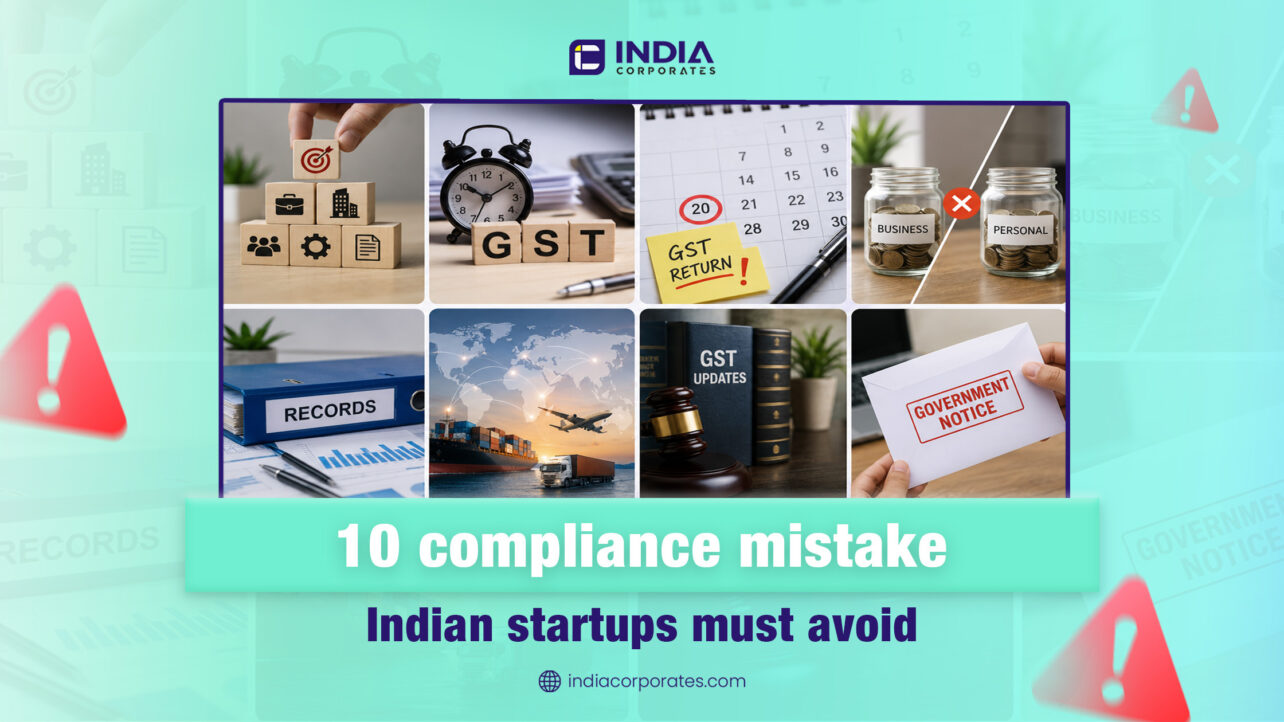
We examine 10 common Business compliance mistakes Indian startups should avoid, why these mistakes happen, the risks they can create, and the practical steps founders can take to build a compliant business from day one.
What Is Business Compliance for a Startup?
Business compliance means following the laws, tax rules, registrations, filings, reporting requirements, and other legal requirements that apply to your business. The exact requirements depend on your business structure, turnover, employees, industry, location, and activities.
For example, a startup may have requirements related to:
- Company or LLP filings
- GST registration and returns
- Income tax
- TDS
- Accounting and financial records
- Employee-related compliance
- Annual filings
- Import-export requirements
- Digital signatures
- Business licences
- Contracts and legal documents
Not every startup needs every registration or filing. The important point is to identify which Business compliances apply to your business and complete them on time. also notes that businesses can have different registration and ongoing compliance requirements depending on their stage and operations.
10 Business Compliance Mistakes Indian Startups Should Avoid
1. Choosing the Wrong Business Structure
One of the first decisions a founder makes is choosing the right business structure.
A structure should not be selected only because another startup is using it. Your choice can affect taxation, ownership, funding, reporting, liability, and future growth. For example, a startup planning to raise funds from investors may have different requirements from a small service business operated by one person.
How to avoid this mistake:
Understand your business goals before registration.
- Number of founders
- Investment plans
- Expected turnover
- Business risk
- Future expansion
- Ownership structure
Choosing the right business structure at the beginning can help you avoid unnecessary changes, costs, and business compliance issues later. IndiaCorporates consultation can help founders make this decision through consultation. Our experts can understand your business model, goals, and requirements and help you compare suitable structures, such as a Private Limited Company, LLP, or other applicable options. This guidance can help you choose a structure that fits your business instead of selecting one based only on cost or convenience.
2. Missing MCA Annual Filings
Companies and LLPs have regular filing requirements. Founders sometimes focus so much on daily business that they forget annual business compliance. Missing applicable MCA filings can result in additional fees and can affect the company’s compliance record. The problem becomes bigger when filings are missed for multiple years.
How to avoid this mistake
Maintain a yearly compliance calendar showing:
- Filing name
- Due date
- Responsible person
- Documents required
- Filing status
- Proof of submission
3. Delaying GST Registration
GST is another area where startups can make costly mistakes. Some founders wait until they receive a notice before checking whether GST registration applies to their business. GST requirements can depend on factors such as turnover, nature of supply, type of business, and other conditions. Certain businesses can also have registration requirements that are not based simply on waiting for a turnover limit.
How to avoid this mistake
Do not just assume ‘My turnover is small, so GST does not apply to me.’ Check your business activity, customers, location, supply type, and applicable GST rules. If GST registration applies, complete it properly and then maintain regular GST compliance.
4. Filing GST Returns Late or Incorrectly
Getting a GST number is not the end of GST compliance. Registered businesses may have ongoing return filing, invoice, payment, reconciliation, and record-keeping responsibilities.
A missed or incorrect GST return can create:
- Late fees
- Interest
- Tax demands
- Reconciliation issues
- Problems with input tax credit
- Notices from authorities
How to avoid this mistake
Do not wait until the filing deadline to check your records, as missing invoices, incorrect entries, or mismatched data can lead to errors, notices, and unnecessary penalties. IndiaCorporates can help businesses manage their GST compliance and return filing requirements.
5. Mixing Personal and Business Money
This may look like a small accounting mistake, but it can create major problems. For example, a founder uses the business bank account for personal expenses or pays business expenses from a personal account without maintaining proper records. Over time, it becomes difficult to understand the company’s actual financial position.
How to avoid this mistake
Keep personal and business finances separate. Use:
- A business bank account
- Proper business invoices
- Expense records
- Accounting software
- Clear reimbursement procedures
Good financial records also make tax filing, audits, investor discussions, and financial planning easier.
6. Not Maintaining Proper Books and Records
Some founders think accounting only matters during tax season. That is risky, Poor records can make it difficult to answer basic questions such as:
- How much money did the business earn?
- Which customers have not paid?
- How much tax is payable?
- What are the monthly expenses?
- How much is owed to vendors?
- Which invoices are missing?
How to avoid this mistake
Maintain your books throughout the year. Keep records of:
- Sales
- Purchases
- Expenses
- Bank transactions
- Invoices
- Payments
- Tax records
- Employee payments
- Business assets
7. Not Issuing or Maintaining Share-Related Documents Properly
Ownership is one of the most important parts of a startup. Yet some startups fail to maintain proper records of shares, shareholders, transfers, allotments, and related documents. For example, share certificates are subject to prescribed requirements and timelines.
How to avoid this mistake
Keep a proper record of:
- Shareholders
- Number of shares
- Share allotments
- Transfers
- Share certificates
- Board approvals
- Related filings
8. Ignoring Business Contracts and Intellectual Property
Business Compliance is not only about government forms. Legal documents also matter. A startup may spend months building a product but fail to clearly document ownership of its:
- Brand name
- Logo
- Software
- Website content
- Designs
- Customer data
- Business processes
- Intellectual property
Another common mistake is hiring freelancers or agencies without clear agreements about ownership and confidentiality.
How to avoid this mistake
Use suitable written agreements with founders, employees, freelancers, vendors, and partners. Where relevant, protect your intellectual property through appropriate legal steps
9. Ignoring Import-Export Compliance
If your startup buys products from outside India or sells products or services internationally, additional requirements may apply. One important registration is the Import Export Code (IEC) for businesses involved in applicable import-export activities.
How to avoid this mistake
Before starting international transactions, check:
- IEC requirements
- GST treatment
- Customs requirements
- Foreign exchange rules
- Invoicing
- Banking requirements
- Product-specific restrictions
Do not start international business first and check compliance later. IndiaCorporates provides IEC registration support as part of its business services.
10. Ignoring Changes in Rules
Indian business regulations can change. Tax rules, filing requirements, government forms, thresholds, procedures, and reporting systems can be updated over time. A compliance process that worked last year may need changes this year. IndiaCorporates regularly publishes business compliance and government update content, including GST and monthly compliance information.
How to avoid this mistake
Assign someone to monitor important regulatory updates. You can also work with a professional compliance service that tracks applicable requirements for your business.
How Much Can Compliance Mistakes Cost a Startup?
The financial impact depends on the type of mistake, how long it continues, the applicable law, the business structure, the amount involved, and other facts.
The cost can include: Late fees + interest + penalties + professional fees + tax demand + business disruption
For startups, unexpected compliance costs can put extra pressure on the budget. Business Compliance problems can also affect business relationships. Investors, banks, customers, and partners may review company, tax, financial, and registration documents before working with a business. Keeping everything updated helps build trust and supports steady growth.
Final Thoughts
For many startup founders, business compliance can feel less important than building a product, raising funds, hiring a team, or growing the business. But as a startup grows, compliance becomes an important part of running the business. A small mistake or missed requirement today can later lead to penalties, delayed filings, tax problems, legal issues, or concerns during investor checks.
The better approach is to make Business compliance part of your business process from the beginning rather than waiting until a deadline or problem comes up.
Start with the basics. Choose the right business structure, keep your financial and company records updated, meet GST and tax requirements, complete MCA filings on time, keep your contracts and intellectual property protected, and stay updated with changes in applicable rules. As your business grows, professional support can also help you find and fix compliance gaps before they become bigger problems.
If you’re looking for support with business registration, GST compliance, MSME/Udyam registration, IEC registration, DSC, and other business services, IndiaCorporates is one option for managing multiple business requirements in one place.

No comments yet